


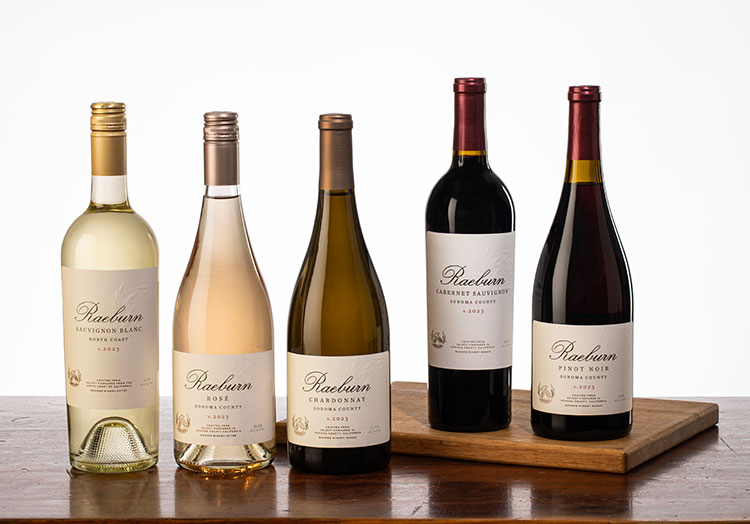
Pear. Apple. Vanilla. Spice. Blossoms. Cream. Stone. A single bottle of wine can offer an intriguing array of aromas and flavors that come together in one delicious experience. Just as no two wines are exactly alike, no two individuals will experience wine precisely the same way. Our unique preferences, memories, and sensitivities all shape how we perceive and appreciate these subtle nuances. There is always something new to discover. Comparing and contrasting the aromas and flavors of Raeburn Winery’s red wines, white wines, and rose’ unlocks the secrets that make each of their varietal offerings unique and special.
Understanding Aromas and Flavors
When you’re ready to step up your wine game, the first step is to really understand what you’re smelling and tasting in your glass. Smelling and tasting wine rewards those with patience, practice, and a keen sense of observation. Learning to identify the aromas and flavors of different wines is a skill that can be developed over time with practice and experience.
An excellent way to begin honing the skills of wine tasting is to attend wine-tasting events and guided tastings led by knowledgeable sommeliers or wine educators. This provides structured ways to taste various wines and offers insights into identifying aromas and flavors. A systematic approach to practicing wine-tasting techniques follows a particular order, known as the “5 S’s.” Start by pouring a small amount of wine into your glass – about an ounce – and then taste with intention:
- See: Observe the wine in the glass. Is it rich or pale in color? Clear or cloudy? Notice the viscosity – does it cling to the glass?
- Swirl: Yes, there’s a reason to swirl, and not just because it makes you look like a “serious wine fan.” When you move the wine in the glass it helps to release all the beautiful aromas.
- Sniff: Bring your glass to your nose – and we mean really close – stick your nose right in! Take a big sniff and try to identify scents. There could be citrus fruits, black fruits, red fruits, florals, herbal notes, earthy notes, and spicy notes. To train your nose, you can buy “aromas kits,” or spend some extra time in the produce section at the grocery store or your local farmer’s market. What does a plum smell like, or black cherries? How is a tangerine different than a mandarin? Make your research fun.
- Sip: Take a sip and let it coat your palate. What flavors can you identify – fruits? Spice? Does the wine have a drying sensation, indicating tannins? Is it zesty and acidic? Do you sense sweetness?
- Savor: Finally, pay attention to the wine’s finish or aftertaste – how long does it linger? Finally, make note of your overall impression of the wine. Did you like it? Are you drawn to sample more?
Now that you know the formal tasting technique, there’s no better way to practice your new skills than with Raeburn Winery’s selection of wine offerings.
Fresh Whites: Aromas and Flavors of Raeburn Winery’s Chardonnay and Sauvignon Blanc
Chardonnay is sometimes called the “chameleon grape,” because it has such a diversity of aromas and flavors. Where the grape is grown, along with winemaking decisions about fermentation and aging all have a huge impact on the final wine profile. With the first inhale of Raeburn Winery Chardonnay, you’ll discover aromas of pear, apple, citrus blossoms, summer nectarines, and a subtle touch of vanilla and even Crème Brûlée. When you sip, you’ll find complex fruit and restrained oak. This is all complemented by a long, lingering finish that lasts moment after moment on the palate. For a more opulent wine, try our High Flier Reserve Chardonnay. Crafted from some of our winemaker’s favorite vineyard lots in the Russian River Valley, this wine supremely structured and flavorful. Aromas of pineapple, lemon and honeysuckle give way to vibrant baked pear, nectarine and honeydew melon on the palate. The finish is long and juicy.
Known for being vibrant and zesty, Raeburn Winery’s Sauvignon Blanc delivers tropical aromas of guava, aromatic white flowers, and lemony citrus notes. Unlike Chardonnay, Sauvignon Blanc often offers herbaceous aromas, such as freshly cut grass. Raeburn Winery’s Sauvignon Blanc balances the pronounced flavors and bright acidity with a rounded mouthfeel and a crisp, clean finish on the palate.
Sultry Reds: Aromas and Flavors of Raeburn Winery’s Cabernet Sauvignon and Pinot Noir
Raeburn Winery’s Cabernet Sauvignon announces itself with an aromatic profile bursting with juicy plums, dark cherries and and a subtle note of vanilla, which contributes to the wine’s complexity. From the first sip to the last, the palate is full of expressive layers of black fruits marked with a delicate touch of mocha. Raeburn Winery’s Cabernet Sauvignon has a bold flavor profile yet showcases fine tannins with a velvety texture and an elegant lingering finish.
While Cabernet Sauvignon presents boldness, dark fruit, and structure, our Raeburn Winery Pinot Noir embodies delicate elegance, red fruits, and finesse. This Pinot Noir reveals aromas of red berries, cherry, and lavender florals, all topped with baking spice and vanilla. On the palate, the flavors are enhanced with graceful and silky tannins, contributing to a supple mouthfeel. There is a pleasing finish that gently lingers.
Juicy Rosé: Aromas and Flavors of Raeburn Winery’s Rosé
Last but certainly not least is the pale pink and enchanting Raeburn Winery Rosé. This delightful wine offers a sensory journey of its own. A bouquet of fresh strawberries greets the nose, with rose petals and hints of citrus zest. Upon sipping, the palate reveals even more with juicy watermelon, red berries, and guava flavors. A crisp and refreshing mouthfeel with a precise finish is the mark of a great rosé wine, and Raeburn Winery’s Rosé possesses all this.
Developing Your Personal Palate
Having delved into the aromas and flavors of what you’ll discover in our Raeburn Winery releases, let’s shift our focus to developing your palate. Here are some tips to help along the way:
- Take Your Time: Allow for the slowing of time and life’s stresses to melt away. Focus on swirling, sniffing, and savoring each wine. Allow the aromas and flavors to evolve in the glass. As the wine warms and opens, notice how the wine’s characteristics alter. Wine tasting is a form of meditation.
- Compare and Contrast: Taste different wines side by side. This helps identify the unique characteristics of each varietal, region, or vintage.
- Keep a Wine Journal: Record tasting notes. Over time, building a valuable resource for knowing what was enjoyable or what to buy next time is helpful.
- Experiment: Most of all, don’t be afraid to try new wines. Step outside the boundaries of what is comfortable and try something new and unknown.
Your wine palate is sure to evolve over time, and the more you taste, the more nuance you’ll be able to discern in each glass. Your preferences are your guide – we encourage you to sip, savor, and find a new favorite!